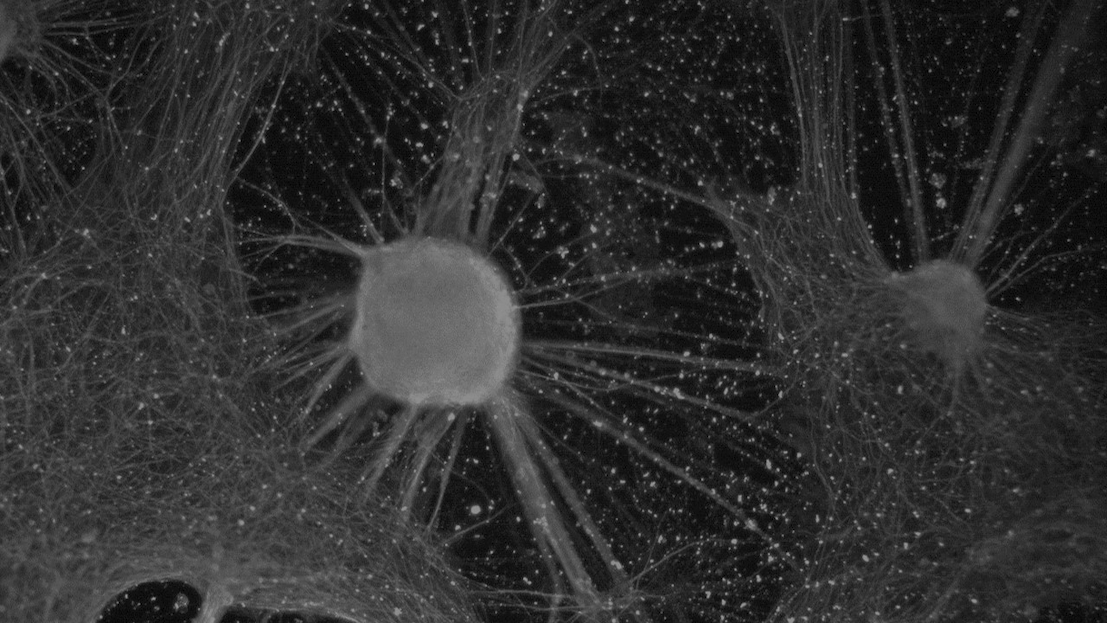
Parkinson's disease (PD) is a common neurodegenerative disorder which is characterised by the loss of a specific type of dopamine nerve cell. The question is can we replace these lost cells with new ones or retain those that remain using growth factors.
- Mon 25th Jan 2027
- 19:30-21:00
- Wolfson Lecture Theatre, Churchill College, Storey's Way, Cambridge, CB3 0DS and Zoom
- Add to calendar
View location
Parkinson's disease (PD) is a common neurodegenerative disorder of the brain that has as part of its core pathology, the loss of a specific set of dopamine nerve cells in the midbrain. The loss of this dopaminergic nigrostriatal pathway is the basis for the current drug treatment of PD but although effective in early disease, over time the drugs work less well and create side effects. As such there is a need to better treat PD through repairing this pathway using either growth factors or nigral dopamine cell transplants. In this talk, I will discuss where we have come to with these therapeutic approaches.
Professor Roger Barker, Professor of Clinical Neuroscience, University of Cambridge; Consultant Neurologist, Addenbrooke's Hospital
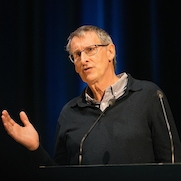
Roger Barker is the Professor of Clinical Neuroscience at the University of Cambridge and Consultant Neurologist at Addenbrooke's Hospital. He runs the regional NHS Huntington's Disease (HD) as well as clinics in Parkinson's Disease (PD). His research investigates the heterogeneity of these disorders and its basis, which has informed work he has done on trialling new experimental therapeutics for these conditions, including cell and gene therapies as well as drug repurposing. He is lead academic scientist of the Alzheimer’s Research UK funded Drug Discovery Institute in Cambridge as well as the John Van Geest Centre for Brain Repair and Chair of Neurodegeneration at LifeArc. He is Co-editor in chief of the Journal of Neurology.
Attending lectures