History
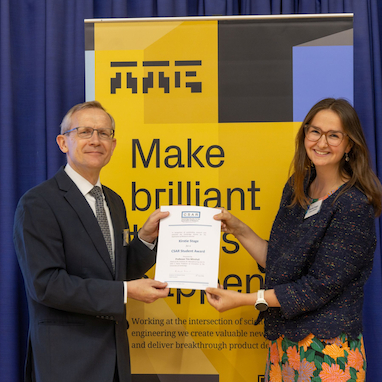
Kirstie Stage is a Deaf researcher whose project centres on the working lives of Deaf and disabled people in Britain. Her doctoral research, ‘The Labour and Livelihoods of Deaf and Disabled People in Britain, 1970–2010’, draws on original archival sources, life-writing, memoirs, and ‘oral’ history interviews. Through this work, she interrogates the roles of the voluntary sector, government bodies, and trade unions. By linking historical analysis to contemporary debates, her work has informed civil servants, policymakers, teachers, activists, NGOs, and trade unionists. This has contributed to national and international policy discussions, including engagement with the United Nations Commission on the Status of Women and advisory work for the Australian Manufacturing Workers’ Union.
Combining rigorous archival research with a commitment to accessibility and representation, Stage seeks to reshape how histories of Deaf and disabled people are understood, recorded, and shared. Her work extends beyond academia through public history, creative collaboration, and community engagement. This includes projects with theatre practitioners, workshops for schools and charities, and accessible events co- organised with the UK Disability History and Heritage Hub. Furthered by her work at the Smithsonian’s National Museum of American History, through the UKRI International Fellowship Scheme, she emphasises that research is collective, that knowledge often resides within communities, and that more inclusive, ethical approaches can transform both historical research and its wider impact.
Other 2026 award winners
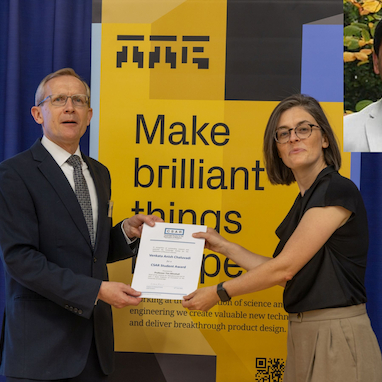
Venkata Anish Chaluvadi
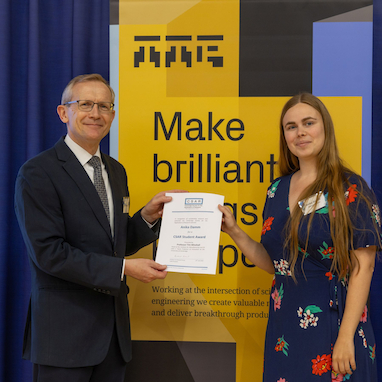
Anika Damm
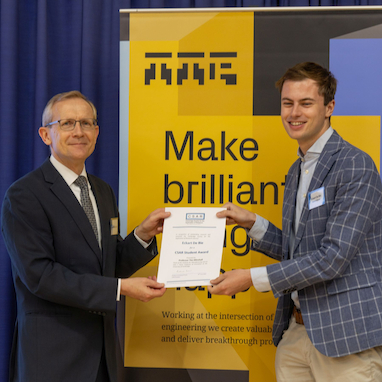
Eckart De Bie
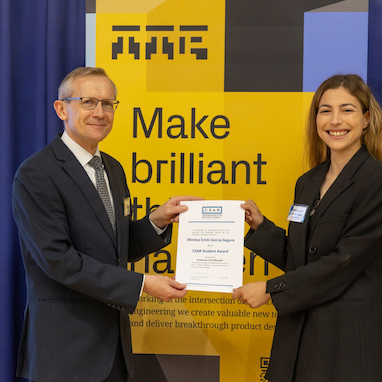
Monica Emili Garcia-Segura
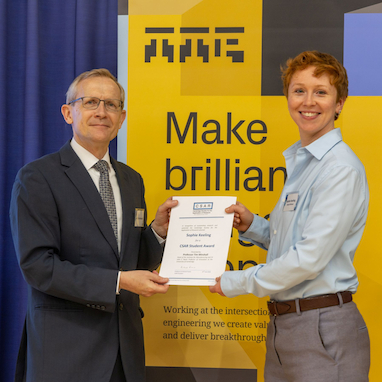
Sophie Keeling
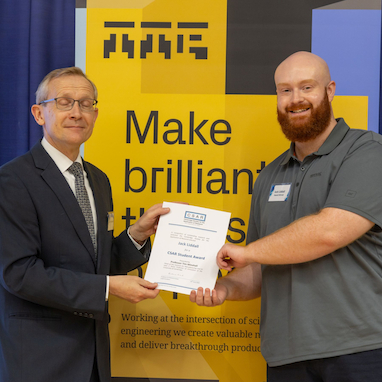
Jack Liddall
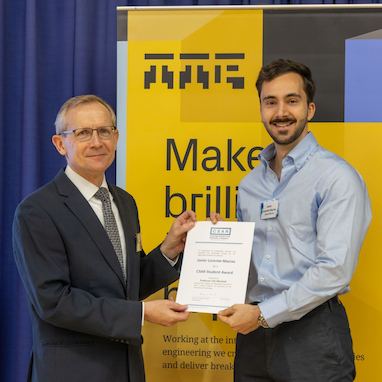
Javier Lorente-Macias
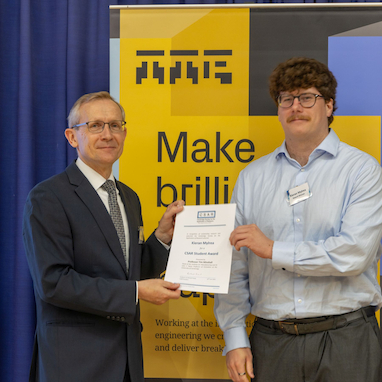
Kieran Mylrea
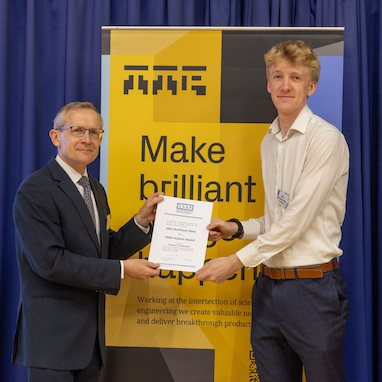
Jake Stuchbury-Wass

Zixuan Wang

Mariana Zarate-Mendez